


Most people are interested in anti-aging and attempting to reverse the clock. I know I am. You read about rejuvenation in every fashion and health magazine. There are many factors that influence aging, some more dramatically than others (stress, diet, exercise, environmental toxins, genetics – all the topic for another days blog). One process that is especially damaging to overall health and aging is inflammation. Antioxidants are powerful anti-aging chemicals that can help fight inflammation and can repair and reverse cell damage.
Antioxidants are chemicals that interact with and neutralize free radicals, thus preventing them from causing damage. Free radicals are highly reactive chemicals that have the potential to harm cells. The body can make some of the antioxidants that it uses to neutralize free radicals on its own. But mostly we rely on our diet to obtain the rest of the antioxidants. Fruits, vegetables, and grains are rich sources of dietary antioxidants and some minerals and vitamins. Carotenoids like beta-carotene, lycopene, and vitamins A, C, and E (alpha-tocopherol), catechins (found in green tea), grape seed, genistein, niacinamide (vitamin B3), are all powerful antioxidants.
- Goji berries
- Wild blueberries
- Dark chocolate
- Pecans
- Artichokes

- Elderberries
- Kidney beans
- Cranberries
- Blackberries
- Cilantro
- tomatoes, carrots, pumpkin seeds, sweet potatoes, pomegranates, strawberries, kale, broccoli, grapes or red wine (Reseveratol), squash, and wild-caught salmon.


3. Green Tea
Green Tea is almost a cure all! It does everything from preventing heart disease and cancer to skin aging and weight gain. The secret ingredient is likely a chemical group called catechins, which are antioxidants that can evacuate cell damage on the skin and repair wrinkles, blemishes or other impurities. When applied to the skin, green tea can reduce sun damage by reducing inflammation and neutralizing free radicals. It is a powerful diuretic as well, so when drinking it it can reduce inflammation. It is now found in many anti-aging creams.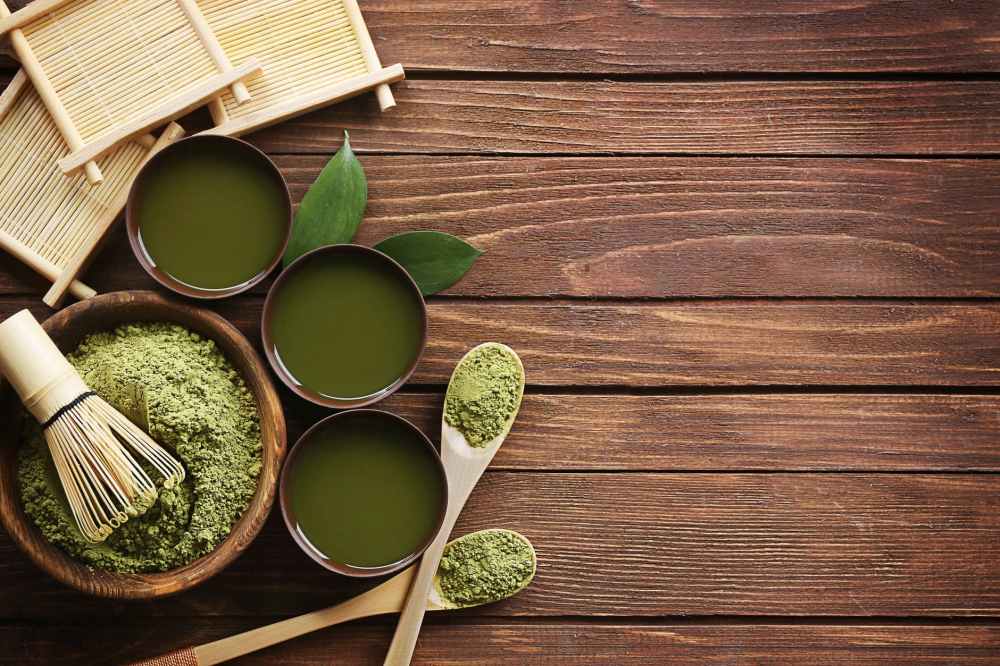
4. Resveratrol
The antioxidant resveratrol is compound that is commonly found in grapes, nuts, fruits, and red wine. Topical applications can protect against UVB-mediated cutaneous damage and inhibits UVB-mediated oxidative stress. I am happy about this one because I like red wine. 
5. Grape Seed
Grape seed is extracted from vitis vinifera and is rich in proanthocyanidins, which belong to the flavonoid family. Proanthocyanidins are potent antioxidants with strong free radical scavenging activities.
6. Genistein
Genistein is an isoflavone derived from soybeans with the capacity to inhibit UV-induced oxidative DNA damage. Genistein, either topically applied or orally supplemented, was shown to effectively protect human skin against UVB-induced skin photodamage.
7. Niacinamide
Niacinamide (vitamin B3) is a powerful antioxidant that has shown to exhibit anti-inflammatory and depigmenting properties. It has also shown to improve the texture and tone of the skin, as well as reduce fine lines, wrinkles and hyperpigmentation.
8. Vitamin C
Vitamin C (L-ascorbic acid) is an essential nutrient that can only come from the healthy fruits and vegetables that contain it. Vitamin C is known for its cold-fighting power, but it’s also has impact on preventing and reversing aging skin. It is an antioxidant, as well as a booster of collagen formation both of which are rejuvenating.


 musings, ideas, health and wellness, thoughts on a better life